

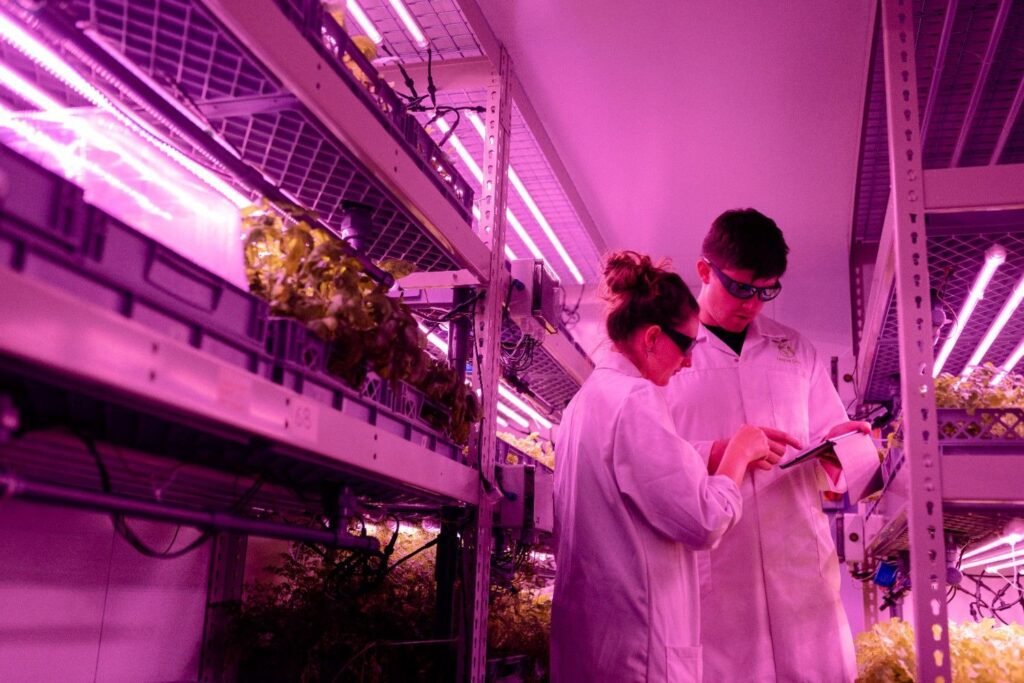

The UK food industry is undergoing one of the most significant transformations in its history. Driven by rapid technological innovation, sustainability demands, evolving consumer preferences, and stricter regulatory standards, food science and food technology are no longer traditional laboratory-based disciplines alone. They are now deeply integrated with artificial intelligence, automation, data analytics and digital systems.
For aspiring professionals, UK graduates and students studying food science, this transformation presents enormous opportunity. Understanding current trends and preparing strategically can help you build a strong future in UK Food Tech Careers.
This guide explores the most important trends shaping the sector in 2025–2026 and what they mean for those entering the industry.
Real-time UK Food Science & Food Tech Trends:
The UK food sector is embracing innovation at an unprecedented pace. Several real-time trends are reshaping how food is produced, monitored and distributed.
AI in Food Production
Artificial intelligence is now used to:
- Optimise recipes and formulations.
- Predict shelf life.
- Monitor production lines in real time.
- Detect quality deviations before they escalate.
AI-powered systems analyse production data to reduce waste and improve consistency, making manufacturing more efficient and sustainable.
Automation and Smart Manufacturing
Smart factories equipped with robotics and sensor-based systems are becoming more common across the UK. Automated sorting, packaging and quality inspection processes reduce manual errors and increase throughput.
Sustainable Packaging Innovations
With sustainability high on the agenda, companies are investing in:
- Biodegradable materials.
- Recyclable mono-material packaging.
- Compostable alternatives.
- Smart packaging with freshness indicators.
Plant-Based and Alternative Proteins
The demand for plant-based and alternative protein products continues to grow. Research and development teams are focusing on taste, texture and nutritional optimisation.
Lab-Grown and Cellular Agriculture
Although still emerging, lab-grown meat and cellular agriculture research are expanding in the UK. These technologies aim to reduce environmental impact and address food security concerns.
Digital Traceability
Blockchain and digital tracking systems enable companies to trace products from farm to fork. This enhances food safety, transparency and consumer trust.
For aspiring professionals, staying informed about these trends is essential. The industry increasingly rewards those who understand technology as well as traditional food science principles.
Emerging Career Opportunities in Food Science & Food Technology:
The transformation of the sector is creating new job roles that did not exist a decade ago.
Food Data Analyst
Food Data Analysts interpret production, quality and consumer data to improve efficiency and product performance.
Product Innovation Technologist
These professionals work in R&D to create new food products aligned with market trends, health needs and sustainability goals.
Sustainability Specialist
With ESG targets becoming central to corporate strategy, sustainability specialists oversee carbon reduction, ethical sourcing and waste management initiatives.
Food Safety Auditor (Digital Systems)
Digital compliance systems require specialists who understand both regulatory standards and technology platforms.
Alternative Protein Developer
This emerging role focuses on plant-based formulations, fermentation technologies and cellular agriculture research.
The industry now values professionals who combine scientific knowledge with digital skills, business awareness and sustainability understanding.
Read more: Food Science & Food Technology: A Complete Career Guide for Aspiring Professionals
Salary Trends in the UK Food Tech Industry:
Salary expectations vary depending on role, experience and location.
Entry-Level Roles
Graduates entering food manufacturing, quality assurance or junior R&D roles typically earn competitive starting salaries. Roles involving technical or data-based responsibilities often command slightly higher entry pay.
Mid-Level Professionals
With 3–5 years’ experience, professionals in regulatory affairs, product development or operations management can see significant salary growth, particularly if they specialise in high-demand areas such as automation or sustainability.
Senior and Specialist Roles
Experienced Food Technologists, Innovation Managers or Technical Directors earn higher salaries, especially within multinational food companies or fast-growing food tech startups.
In general, technology-enhanced roles tend to offer better long-term salary progression compared to purely traditional production-based roles. Developing digital competence can therefore improve earning potential.
Impact of AI, Automation and Robotics on Food Manufacturing Careers:
Automation is not eliminating careers in food manufacturing—but it is changing them.
Reduced Manual Tasks
Repetitive manual processes are increasingly handled by robotics and automated systems.
Increased Technical Demand
There is growing demand for:
- Automation supervisors.
- Systems maintenance engineers.
- Production data analysts.
- Technical quality managers.
Hybrid Roles
Many positions now require a blend of operational knowledge and digital competence. For example, production managers must interpret real-time performance dashboards.
Graduates who understand manufacturing systems, sensors, and AI tools will be better positioned for supervisory and strategic roles.
Sustainability and ESG Influence on Food Careers:
Environmental, Social and Governance (ESG) standards are reshaping career paths in food science.
Carbon Labelling
Companies are working to measure and display carbon footprints on packaging, creating opportunities in sustainability analysis.
Waste Reduction Technologies
Innovations in by-product utilisation and food waste reduction are expanding.
Sustainable Sourcing
Ethical ingredient sourcing requires traceability systems and supply chain audits.
Circular Economy Practices
Organisations are exploring closed-loop production systems and recyclable packaging solutions.
Professionals with knowledge of sustainability frameworks and environmental compliance are increasingly valuable in the UK food industry.
Digital Transformation in Food Safety and Compliance:
Food safety remains central to the industry, but technology is transforming compliance processes.
Predictive Quality Control
AI systems detect patterns that may indicate contamination or equipment failure before issues arise.
Digital HACCP Systems
Hazard Analysis and Critical Control Point (HACCP) systems are now managed digitally, improving documentation and audit readiness.
Blockchain Traceability
Blockchain enables transparent tracking across the supply chain, improving recall efficiency and consumer trust.
Regulatory Technology Tools
Compliance software automates documentation, reducing administrative burden and human error.
For graduates, understanding both food safety standards and digital compliance tools significantly enhances employability.
Food Innovation and Product Development Trends:
Innovation remains a core driver of the industry.
Plant-Based and Functional Foods
Consumers demand healthier, plant-based and functional products that support immunity, gut health and overall wellbeing.
Personalised Nutrition
Advancements in data analysis allow companies to tailor nutritional products to specific demographics.
Clean-Label Products
Shoppers prefer minimal processing and recognisable ingredients.
Rapid Prototyping Technologies
R&D teams use digital simulation tools to test formulations before physical production, reducing time to market.
Aspiring professionals interested in innovation should develop strong laboratory skills alongside data interpretation and market awareness.
Skills UK Graduates Need to Succeed in Food Tech Careers:
To thrive in UK Food Tech Careers, graduates should develop both technical and digital competencies.
Key skills include:
- Digital literacy and data analysis.
- Knowledge of UK and EU food regulations.
- HACCP and food safety systems expertise.
- Familiarity with R&D software tools.
- Understanding of sustainability frameworks.
- Automation systems awareness.
- Strong communication and reporting skills.
Employers increasingly value professionals who can bridge the gap between science, technology and business.
How UK Universities Are Adapting Food Science Degrees:
UK universities are modernising food science programmes to align with industry demands.
Industry Placements
Many degrees now include structured placements within food manufacturing or R&D organisations.
Digital Lab Training
Students gain exposure to advanced equipment and simulation software.
Research Collaborations
Universities collaborate with food companies on innovation projects.
Entrepreneurship Modules
Courses increasingly encourage students to explore food startups and product commercialisation.
Innovation Incubators
Some institutions provide support for student-led food ventures.
This alignment between academia and industry improves graduate employability and practical readiness.
Practical Preparation Tips for Students and Fresh Graduates:
If you are preparing to enter the industry, consider the following steps:
Gain Certifications
- HACCP certification.
- Food Safety Level 3.
- Allergen awareness training.
Secure Internships
Practical experience in manufacturing or R&D strengthens your CV significantly.
Participate in Research Projects
Final-year projects aligned with industry challenges can demonstrate expertise.
Attend Food Expos and Conferences
Industry events provide networking opportunities and insight into emerging trends.
Build a Technical CV
Highlight:
- Laboratory skills.
- Software proficiency.
- Compliance knowledge.
- Project outcomes with measurable results.
Stay Updated
Follow industry reports, regulatory updates and food innovation news regularly.
Proactive preparation can help you stand out in a competitive graduate market.
Read more: How to Create a CV for Food Science & Food Technology Jobs
Final Thoughts:
Food science and food technology are no longer confined to traditional laboratory roles. The UK food sector is becoming increasingly digital, data-driven and sustainability-focused.
For aspiring professionals, this shift presents both challenge and opportunity. By understanding real-time trends, developing digital competencies and building practical experience, you can position yourself for long-term success in UK Food Tech Careers.
The future of food in the UK is innovative, technology-led and sustainability-driven. Those who prepare strategically today will lead the industry tomorrow.
Get an internship opportunity in the United Kingdom & join a wide professional network to unlock opportunities!
Join us: www.stunited.org
Get Personal Branding to boost your CV and get optimum job and interview assistance: www.brandme4job.com
Contact us to get Career Assistance in the UK: Call Us Now!
#FoodScience #FoodTech #UKFoodIndustry #FoodInnovation #UKCareers #GraduateJobsUK #FoodManufacturing #SustainableFood #FoodSafety #PlantBasedInnovation #AlternativeProteins #FoodRAndD #SmartManufacturing #FoodTechnology #FutureOfFood #UKGraduates #FoodCareers #FoodIndustryUK #FoodTechJobs #ESGinFood #FoodCompliance
#AIinFood #DigitalFood #FoodStudents #FoodEngineering #CareerGrowthUK #InnovationCareers #UKFoodJobs #FoodScienceStudents #TechDrivenCareers

Responses